Medical Device Software Engineering for Connected SaMDs

We engineer ISO 13485 compliant digital products and Software as a Medical Device (SaMD). Our architectures prioritize human factors (IEC 62366) and patient safety for rapid FDA & CE clearance.

GDPR data privacy compliance logo
GDPR
Compliant
HIPAA healthcare compliance logo
HIPAA
Compliant
ISO 13485 Quality Management compliance logo
ISO 13485
Compliant
IEC 62366 Usability Engineering logo
IEC 62366
Compliant
FDA 510(k) and De Novo readiness logo
FDA 510(k) & De Novo
Ready
WCAG 2.1 AA accessibility compliance logo
WCAG 2.1 AA
Compliant
CE MDR / IVDR compliance readiness logo
CE MDR / IVDR
Ready
OWASP Top 10 application security logo
OWASP Top 10
Aligned
GDPR data privacy compliance logo
GDPR
Compliant
HIPAA healthcare compliance logo
HIPAA
Compliant
ISO 13485 Quality Management compliance logo
ISO 13485
Compliant
IEC 62366 Usability Engineering logo
IEC 62366
Compliant
FDA 510(k) and De Novo readiness logo
FDA 510(k) & De Novo
Ready
WCAG 2.1 AA accessibility compliance logo
WCAG 2.1 AA
Compliant
CE MDR / IVDR compliance readiness logo
CE MDR / IVDR
Ready
OWASP Top 10 application security logo
OWASP Top 10
Aligned
GDPR data privacy compliance logo
GDPR
Compliant
HIPAA healthcare compliance logo
HIPAA
Compliant
ISO 13485 Quality Management compliance logo
ISO 13485
Compliant
IEC 62366 Usability Engineering logo
IEC 62366
Compliant
FDA 510(k) and De Novo readiness logo
FDA 510(k) & De Novo
Ready
WCAG 2.1 AA accessibility compliance logo
WCAG 2.1 AA
Compliant
CE MDR / IVDR compliance readiness logo
CE MDR / IVDR
Ready
OWASP Top 10 application security logo
OWASP Top 10
Aligned

CClliinniiccaall iinntteerrffaacceess,, AAII,, 33DD && ccuussttoomm ssooffttwwaarree tthhee ddiiggiittaall eeccoossyysstteemm ffoorr MMeeddTTeecchh..
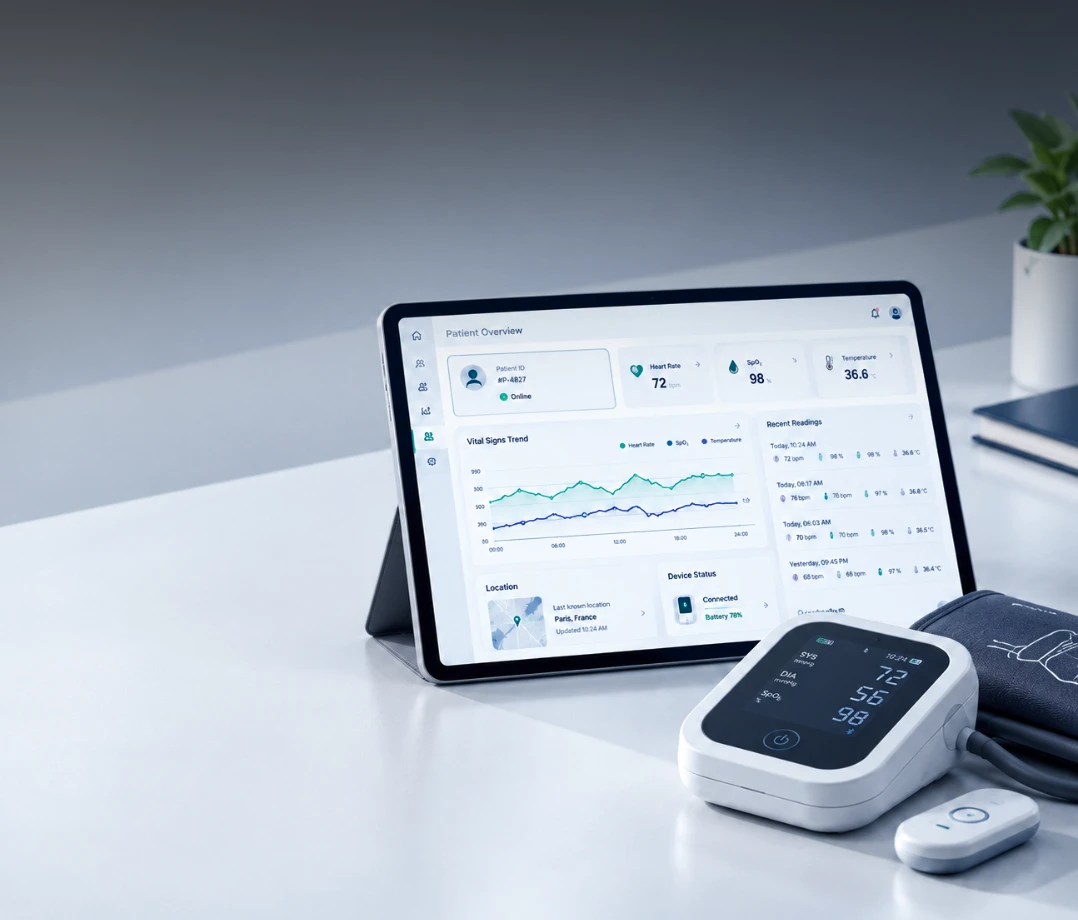
Remote patient monitoring RPM web platform UI for medical devices

Remote Patient Monitoring

Secure web platforms for global remote patient monitoring (RPM) and medical fleet tracking.
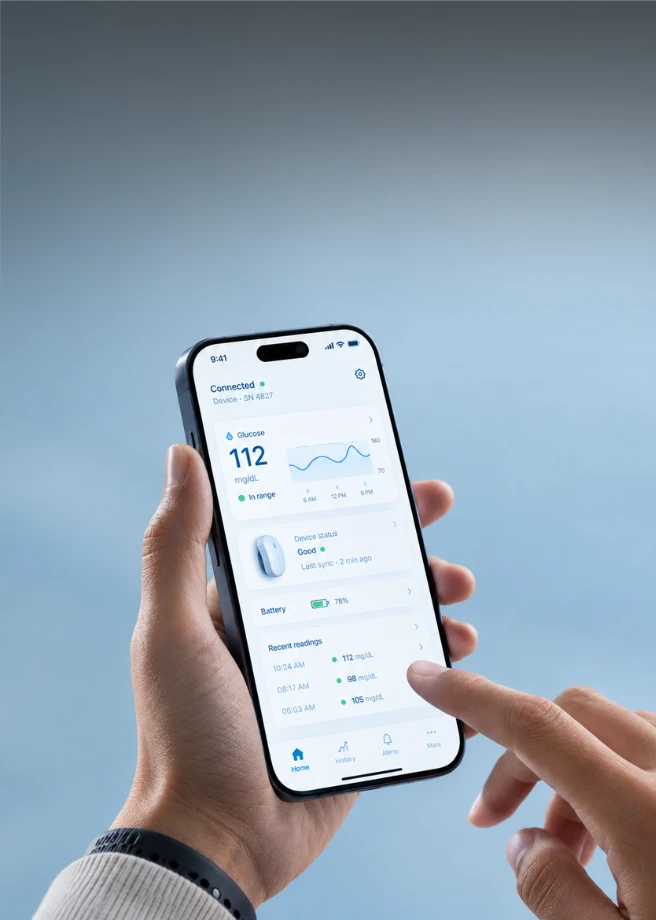
IEC 62366 compliant medical device UI and surgical robotics control interface

Medical Device UI/UX

Compliant interfaces for connected device applications.
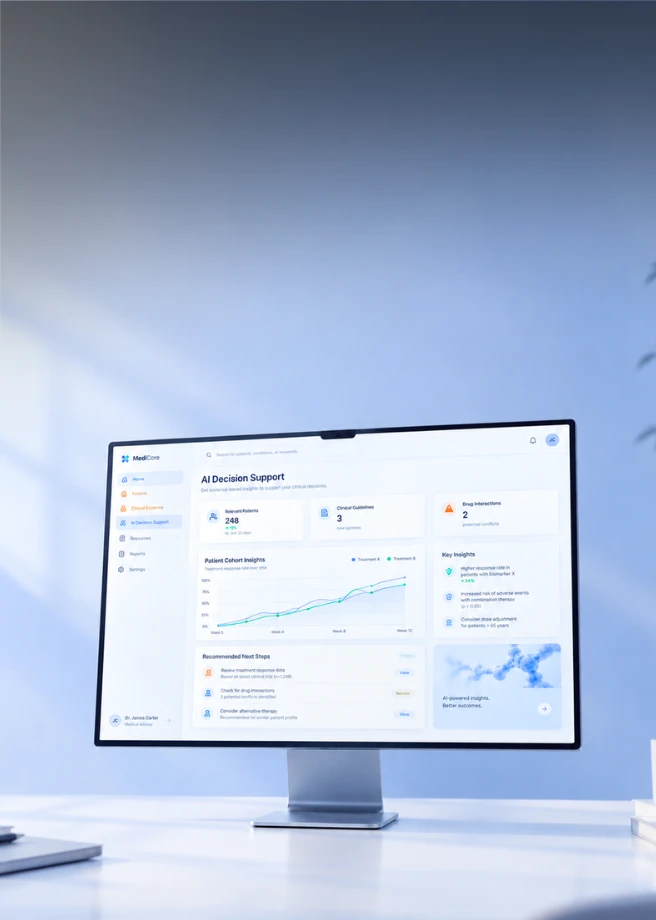
AI clinical decision support system CDSS interface for medical diagnostics

AI Decision Support

Predictive AI integration to accelerate clinical diagnostics.
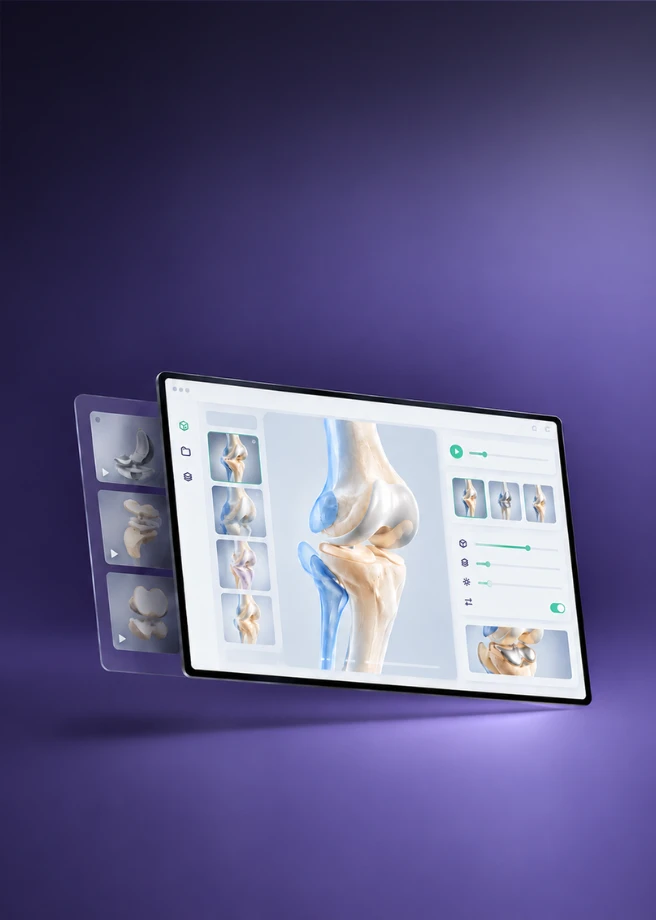
Interactive 3D medical device demonstration animation film

3D Device Demos

3D animations demonstrating clinical superiority.
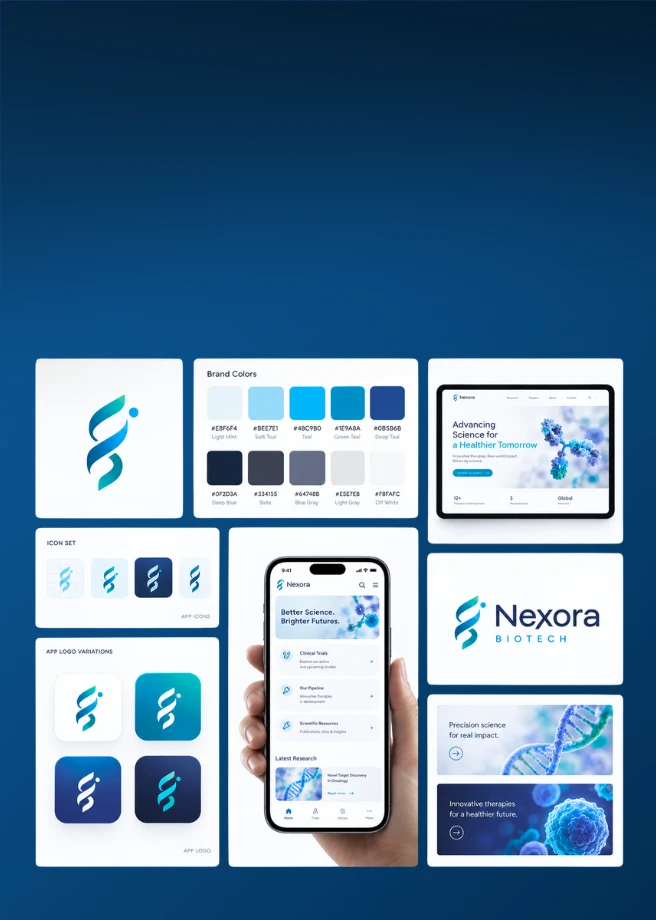
MedTech corporate brand identity guidelines for regulated medical markets

MedTech Branding

Brand systems reinforcing your clinical credibility.
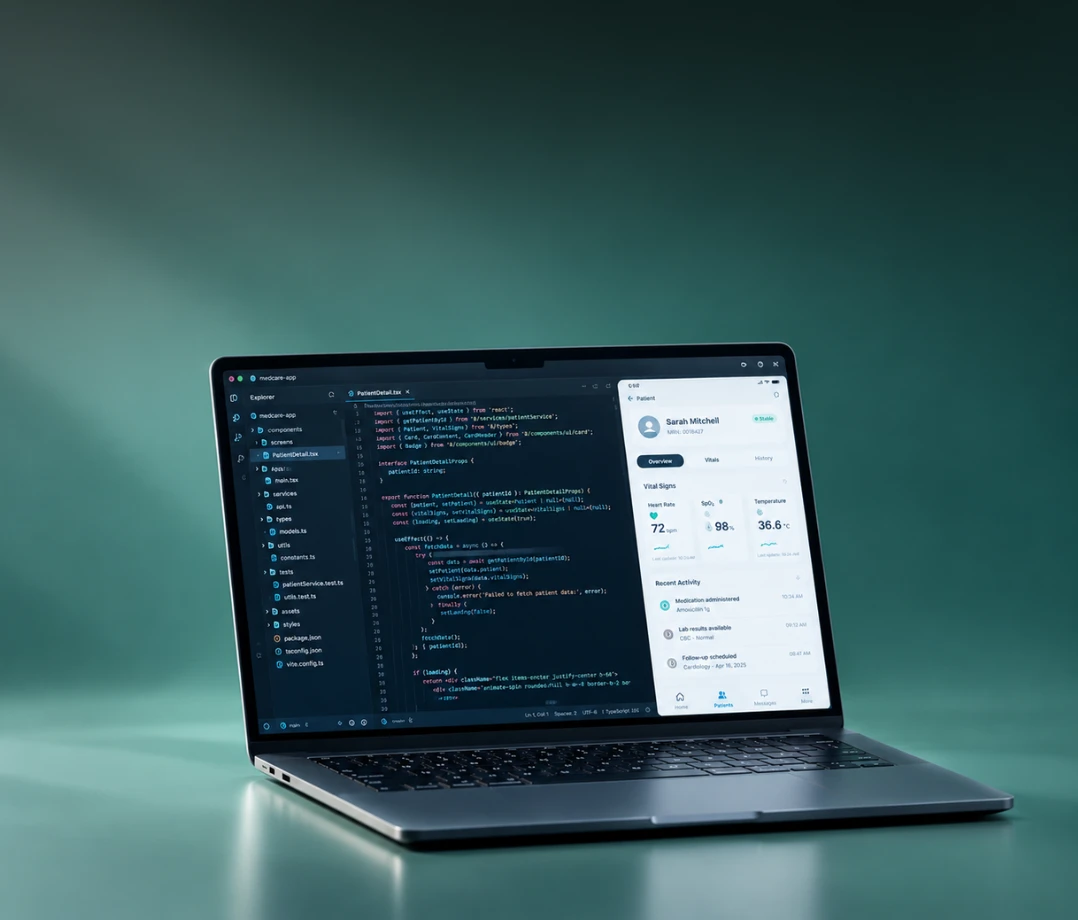
Software as a Medical Device SaMD mobile application UI design

Custom SaMD Engineering

Secure software engineering and architecture for your certified connected medical applications (SaMD).

Numerikraft branding background

DDiiggiittaall eennggiinneeeerriinngg ffoorr mmeeddiiccaall ddeevviiccee ccoommppaanniieess

The Industry Challenge

  • Generic UI design fails FDA usability tests

  • Confusing device interfaces lowering adoption

  • Missing traceability matrices and poor DHF

  • Fragmented IoMT data across systems

  • DTx applications failing to drive patient adherence

The Numerikraft Approach

  • IEC 62366 compliant interfaces built for clearance

  • Intuitive device UX driving clinical adoption

  • UX deliverables formatted for QMS and DHF

  • Unified FHIR architectures centralizing device data

  • Engagement-driven DTx boosting adherence

EEnnggiinneeeerriinngg ccoommpplliiaannccee && IIEECC ssttaannddaarrdd ddeelliivveerraabblleess..
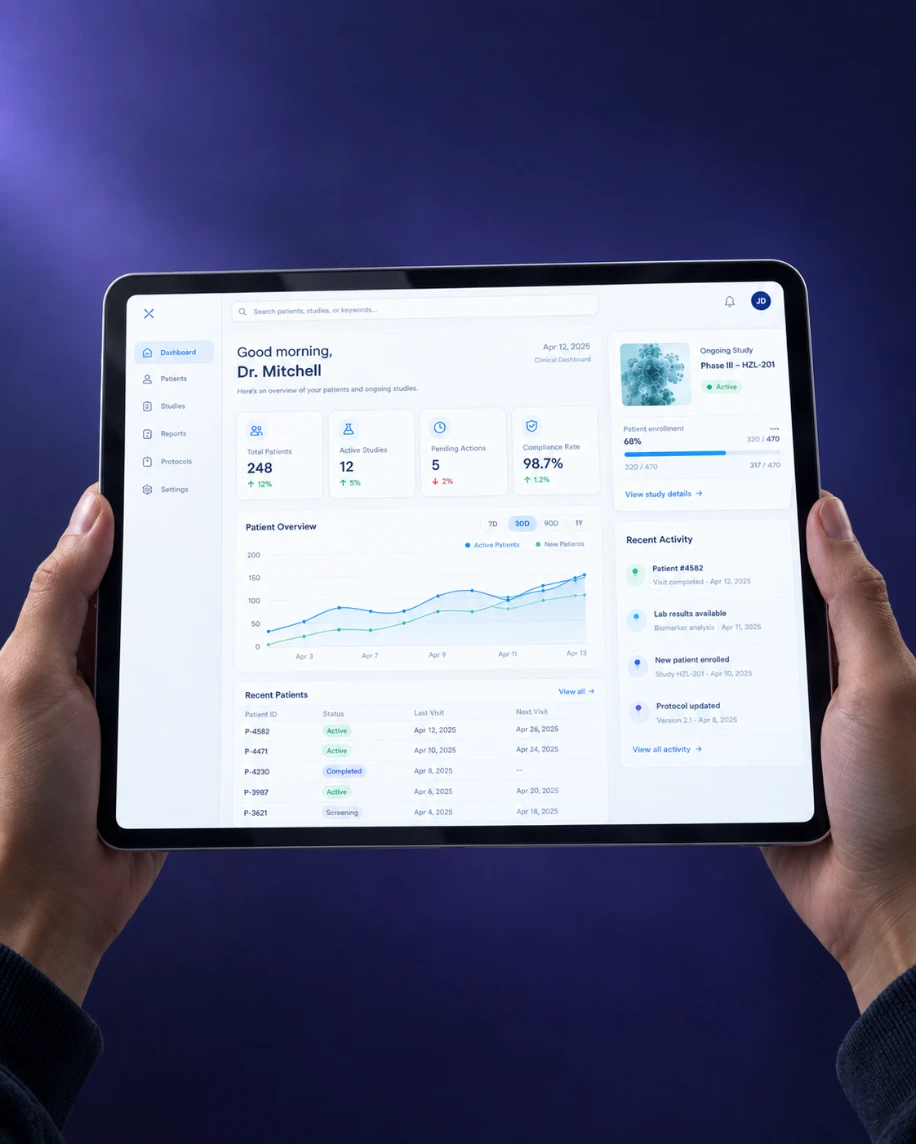
ISO 13485 usability engineering matrix and Design History File DHF documentation
We integrate Human Factors Engineering (HFE) from Day 1. From identifying critical tasks to running formative evaluation cycles, we ensure your UI minimizes use errors.
Our deliverables aren't just Figma files. They are structured to plug seamlessly into your Quality Management System (QMS). We provide the traceability matrices for your Design History File (DHF).
Whether pursuing a 510(k) or De Novo pathway, our summative usability testing reports and validated UI/UX deliverables are tailored to exceed FDA reviewer expectations.
We architect enterprise platforms that encrypt data at rest and in transit, ensuring your connected health apps comply with FDA Premarket Cybersecurity guidelines, HIPAA, and GDPR.
We architect front-end systems that can consume and display complex clinical data through HL7 FHIR standards, enabling seamless integration with hospital EHRs.

FFrroomm hhuummaann ffaaccttoorrss ttoo rreegguullaattoorryy cclleeaarraannccee..

01

IEC 62366 Usability Strategy

We identify critical use scenarios, define the user profile, and create the formative and summative usability evaluation plans required for regulatory submission.

02

Formative Testing & Iteration

We conduct iterative design cycles and formative testing with actual HCPs or patients to eliminate use errors and refine the interface before freezing the design.

03

Design Freeze & Summative Validation

We lock the SaMD UI/UX and prepare the final summative usability testing reports needed for FDA 510(k), De Novo, or CE MDR clearance.

Sid Ahmed Mili - Founder & CEO of Numerikraft

Sid Ahmed Mili

Founder & CEO

Let's discuss your IEC 62366 usability engineering needs.

Schedule a call
In MedTech, a beautiful interface is irrelevant if it causes a use error. True innovation lies in designing systems that are both clinically safe and effortlessly intuitive.

Sid Ahmed Mili digital strategy expert for healthcare and scientific organizations
Sid Ahmed MILI

Founder & CEO, Numerikraft

UUssaabbiilliittyy aanndd ccoommpplliiaannccee mmeeaassuurreedd tthhrroouugghh eennggiinneeeerriinngg ssttaannddaarrddss..

/01
0%

IEC 62366-1 usability engineering compliance

/02
0

Usability defects during summative validation

/03
0-

Formative UX testing cycles per SaMD release

/04
0~d

Turnaround to interactive clinical prototype

/05
0%

DHF traceability matrices for QMS integration

TTrraannssffoorrmm yyoouurr vviissiioonn iinnttoo rreeaall rreessuullttss jjuusstt lliikkee tthheeyy ddiidd..

Want to see more work?

GGoott aa PPrroojjeecctt iinn MMiinndd?? LLeett''ss CCoonnnneecctt..

NDA? Of course.

We're used to working in confidential, regulated environments.

Fast response.

We get back to you within 24h — sharp, structured, and relevant.

No juniors.

Work directly with senior experts in design, strategy, and digital delivery.

Regulated? No problem.

We speak your language — scientific, compliant, and scalable.

FFrreeqquueennttllyy AAsskkeedd QQuueessttiioonnss

Compliance with IEC 62366-1 requires far more than basic usability testing; it demands a proactive approach to risk management. We embed Human Factors Engineering (HFE) into the entire software development lifecycle (SDLC). This includes conducting Use-Related Risk Analyses (URRA), defining Critical Tasks, and running iterative Formative Evaluations with representative users. Finally, we execute rigorous Summative Usability Validation to definitively prove that the interface minimizes use errors and is safe for its intended clinical environment.
Absolutely. We do not just deliver wireframes; we deliver regulatory assets. Our UX/UI design process is fully documented to plug directly into your Quality Management System (QMS). We provide comprehensive Traceability Matrices linking user needs to UI specifications, detailed Usability Engineering Files (UEF), and complete summative testing reports formatted specifically to meet the stringent expectations of FDA reviewers and Notified Bodies for your Design History File (DHF).
Software as a Medical Device (SaMD) is our core expertise. We have extensive experience designing complex, algorithm-driven applications ranging from Digital Therapeutics (DTx) that drive behavioral change, to AI-powered Clinical Decision Support Systems (CDSS) for oncologists. We understand the unique architectural constraints of medical software, including the need for seamless data interoperability, rigorous clinical evaluation, and strict adherence to IEC 62304 software lifecycle processes.
Yes. Our internal software design and human factors processes are strictly aligned with ISO 13485 and IEC 62304 quality requirements. Every design decision is meticulously documented, version-controlled, and risk-assessed. We ensure full end-to-end traceability between initial user requirements, risk mitigation strategies, and final design outputs, guaranteeing that our deliverables integrate flawlessly into your organization's established compliance frameworks.
Yes, designing Human-Machine Interfaces (HMI) for complex, physical medical hardware is one of our specialties. For surgical robotics and life-supporting systems, we apply specialized design principles to manage cognitive load in high-stress environments. This includes utilizing clinical dark modes to reduce eye strain in the operating room (OR), optimizing typography for distance readability, and ensuring that critical physiological data is prioritized over non-essential UI elements.
Absolutely. We support healthcare and MedTech leaders globally. We understand the specific regulatory frameworks and technical requirements across France and Europe (CE MDR, GDPR), Algeria and the MENA region (multilingual UI & RTL support), as well as North America (FDA 510(k), HIPAA). Our software studio designs compliant digital assets for medical device manufacturers worldwide.
Alarm fatigue is a critical patient safety issue in connected health and IoMT systems. We mitigate this by utilizing HL7 FHIR standards to aggregate and contextualize clinical data. Our UI/UX strategies apply strict threshold logic and visual hierarchy, ensuring that life-threatening alerts are instantly distinguishable through color, contrast, and sound, while intelligently grouping or muting non-actionable background noise to prevent clinician desensitization.
Yes. The transition to the Medical Device Regulation (MDR) requires a higher standard of clinical evidence and post-market surveillance. We assist hardware manufacturers by conducting comprehensive gap analyses on legacy interfaces against the new essential requirements. We then redesign the user workflows to meet modern clinical performance standards, ensuring your devices remain compliant and competitive in the European market without requiring total redevelopment.